How to Spot Literary Fiction: A Reader’s Guide
 Sep, 18 2026
Literary Fiction Identifier
Answer the following questions about a book you are currently reading or considering. This tool analyzes your responses against common markers of literary vs. commercial fiction.
Fill out the form to receive your classification.
Genre Type
You pick up a novel in a bookstore. The cover is stark white with black serif font. No explosions, no dragons, no heartbreaks on the cover art. You flip through the first few pages and feel… different. It’s slower. Heavier. But is it actually literary fiction, or just a slow-paced thriller? This confusion is common because genre labels are often marketing tools rather than strict definitions. Yet, once you know what to look for, spotting literary fiction becomes second nature.
The core difference isn’t about being "better" or "smarter." It’s about intent. Commercial fiction asks, "What happens next?" Literary fiction asks, "Who are we becoming while this happens?" If you want to identify these books before buying them, you need to shift your focus from plot mechanics to language and interiority.
Focus on Character Over Plot
In most genre fiction-think mystery, romance, or sci-fi-the plot drives the story. Characters exist to solve the puzzle, fall in love, or save the world. In literary fiction, the reverse is true. The plot exists to reveal the character. If you remove the main event (the murder, the wedding, the alien invasion), does the story still have meaning? For literary works, the answer is usually yes. The journey is internal.
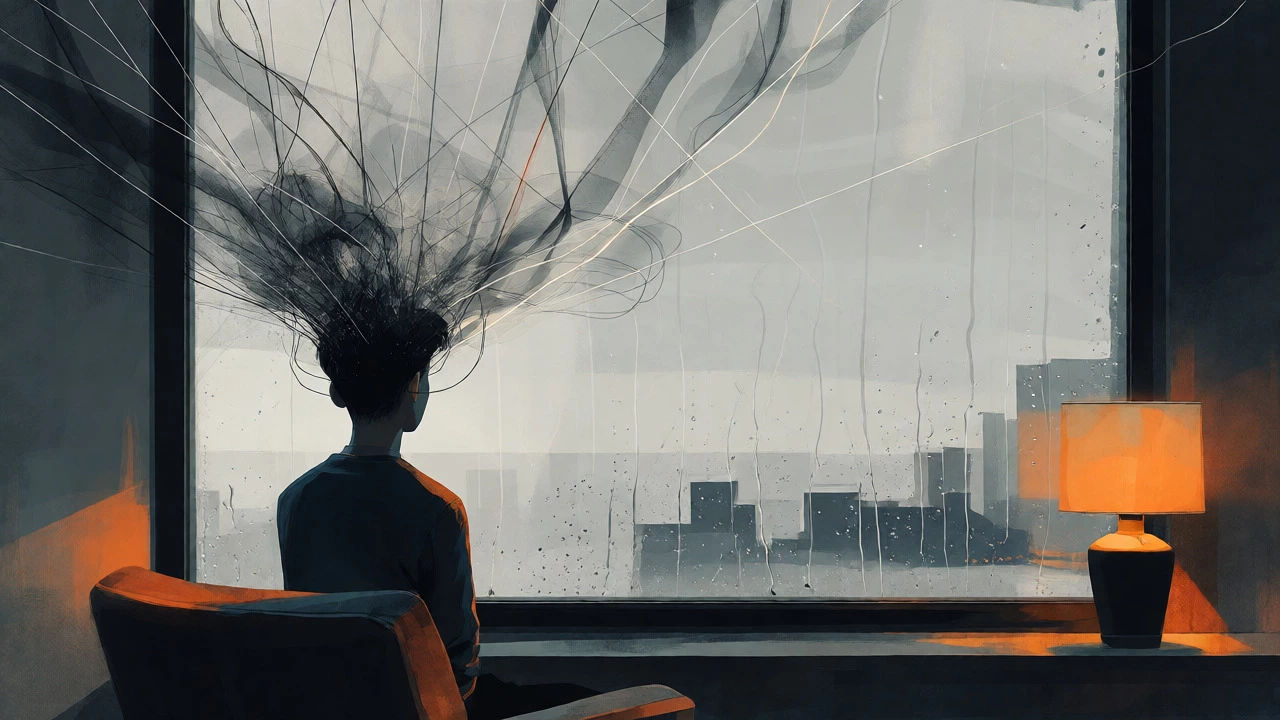
Look for protagonists who are deeply flawed, contradictory, or psychologically complex. They don’t always make logical choices. Sometimes they do things that frustrate you because humans are frustrating. If a character spends three chapters staring out a window thinking about their childhood trauma, and you find that interesting, you’re likely reading literary fiction. In a thriller, those three chapters would be spent running from a killer.
- Agency: Do characters change because of external events, or do they change themselves?
- Ambiguity: Are the motivations clear-cut, or murky and realistic?
- Growth: Is the arc about winning a prize, or gaining self-awareness?
Analyze the Prose Style
This is the biggest tell. Genre fiction aims for invisibility; you shouldn’t notice the writing. Literary fiction draws attention to itself. The author wants you to appreciate the sentence structure, the rhythm, and the word choice. Read the first page aloud. Does it sound like someone talking, or like music?
Literary authors often use metaphors, similes, and symbolic imagery heavily. They might spend a paragraph describing how light hits a kitchen table to reflect a character’s mood. In commercial fiction, that description would be cut for pacing. If you find yourself pausing to admire a phrase rather than rushing to the next scene, you’ve found literary fiction.
Consider Kazuo Ishiguro. His sentences are precise, restrained, and haunting. He doesn’t shout; he whispers. Compare that to a Dan Brown novel, where the goal is speed. The style tells you everything you need to know about the category.
Check the Themes and Ambiguity
Genre fiction tends to resolve questions. The murderer is caught. The couple kisses. The galaxy is saved. Literary fiction often leaves things unresolved. Life doesn’t wrap up neatly, and neither do these books. Endings can be ambiguous, sad, or open-ended. This isn’t poor writing; it’s realism.
The themes are also broader. While genre fiction explores specific tropes (justice, love, survival), literary fiction tackles the human condition: loneliness, memory, identity, mortality, and class. These themes aren’t just backdrops; they are the subject matter. If the book makes you think about your own life rather than just entertain you, it’s aiming for literary status.
| Feature | Literary Fiction | Commercial Fiction |
|---|---|---|
| Primary Driver | Character development & theme | Plot progression & suspense |
| Language | Stylized, poetic, careful | Clear, functional, invisible |
| Ending | Ambiguous, open, or bittersweet | Resolved, satisfying, definitive |
| Pacing | Slow, reflective, detailed | Fast, action-oriented, concise |
| Reader Goal | Insight, emotional resonance | Entertainment, escape |
Look at the Marketing and Awards
Sometimes the easiest way to know is by looking outside the book. Publishers signal literary fiction through specific cues. Look for mentions of prestigious awards like the Booker Prize, the Pulitzer Prize for Fiction, or the National Book Award. These awards almost exclusively honor literary works.
Also, check the blurbs on the back cover. If critics compare the author to Virginia Woolf, Toni Morrison, or Ian McEwan, you’re in literary territory. If they compare the author to Stephen King, James Patterson, or Dan Brown, it’s commercial. Review outlets like The New York Times Book Review or The Guardian tend to review more literary titles, while bestseller lists skew commercial.
Don’t ignore the publisher’s imprint. Big houses like Faber & Faber, Penguin Classics, or independent presses like Graywolf Press are known for curating literary voices. Large conglomerates’ mainstream imprints often push high-concept commercial novels.
Test Your Reaction
Finally, trust your gut. Did the book challenge you? Did it require patience? Literary fiction often demands active participation. You have to piece together meanings, interpret symbols, and sit with discomfort. If you felt bored but intrigued, or confused but moved, that’s a strong sign.
However, remember that boundaries are blurring. Many modern authors write "upmarket" fiction, which blends literary style with commercial plots. Authors like Celeste Ng or Hanya Yanagihara write books that appeal to both crowds. Don’t get too hung up on rigid labels. Use these signs as guides, not gates.
Frequently Asked Questions
Is literary fiction always boring?
Not necessarily. While it moves slower than thrillers, good literary fiction is engaging because of its emotional depth and beautiful language. If you enjoy observing people and understanding psychology, you will likely find it compelling rather than boring.
Can a genre novel be literary fiction?
Yes. This is often called "genre-bending" or "upmarket" fiction. Books like The Road by Cormac McCarthy (post-apocalyptic) or No Country for Old Men by Cormac McCarthy (crime/thriller) have the stylistic depth and thematic weight of literary fiction despite using genre frameworks.
Why is literary fiction considered harder to read?
It requires more cognitive effort because it relies on subtext, symbolism, and internal monologue rather than explicit action. You must actively interpret the author's choices rather than passively following a plot.
Do all classic books count as literary fiction?
Most do, but not all. Some classics were written as popular entertainment for their time (like Dickens or Conan Doyle). However, over time, their artistic merit and stylistic influence have elevated them into the literary canon.
How do I start reading literary fiction if I’m new to it?
Start with accessible authors like Kazuo Ishiguro (Never Let Me Go), Sally Rooney (Normal People), or Colson Whitehead (The Underground Railroad). These books bridge the gap between readability and literary depth.