How to Create a Unique Mythological Creature: A Step-by-Step Guide
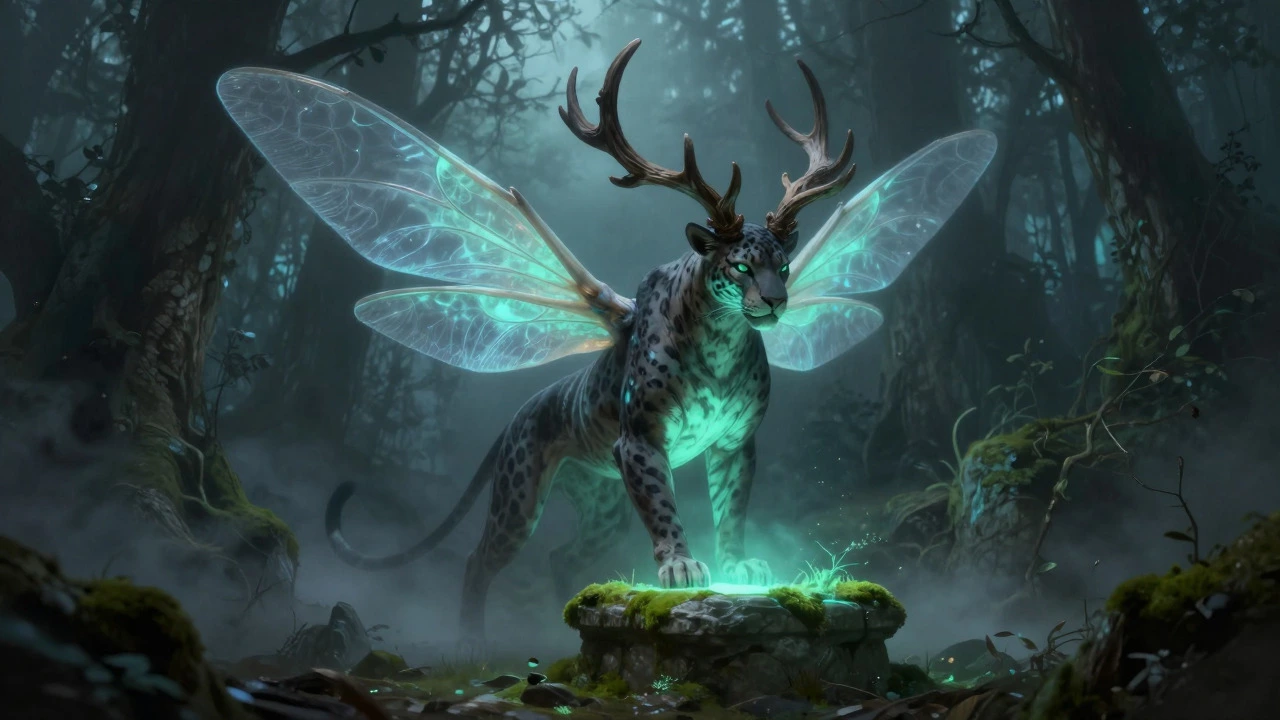 Jul, 24 2026
Mythological Creature Generator
Create a unique mythological creature by defining its purpose, biology, and lore. This tool helps structure your imagination into a cohesive entity.
Ever tried to draw or describe a monster and ended up with just a wolf wearing armor? You are not alone. Most amateur creators fall into the trap of mixing two existing animals and calling it a day. But real mythological creatures-like the Greek Chimera or the Japanese Kitsune-feel alive because they have rules, history, and a reason for existing. Creating a truly unique mythological creature requires more than just imagination; it needs structure. This guide will walk you through building a being that feels ancient, dangerous, and unforgettable.
Start with the Core Concept and Purpose
Before you sketch horns or wings, ask yourself why this creature exists in your world. In traditional folklore, every monster serves a narrative function. The Kraken isn't just a big squid; it represents the terrifying unknown of the deep ocean. The Banshee isn't just a screaming woman; she is an omen of death. Your creature needs a job-to-be-done.
Define its role using one of these archetypes:
- Guardian: Protects a specific place, object, or secret (e.g., Dragons guarding gold).
- Predator: Hunts humans or other monsters for food or sport.
- Trickster: Manipulates humans for amusement or chaos (e.g., Kobolds).
- Omen: Appears only during specific events like war, plague, or royal births.
If your creature has no clear purpose, it will feel like a random decoration. Give it a motivation. Does it hate sunlight? Does it crave silence? These constraints make it interesting.
Build the Anatomy from Real Biology
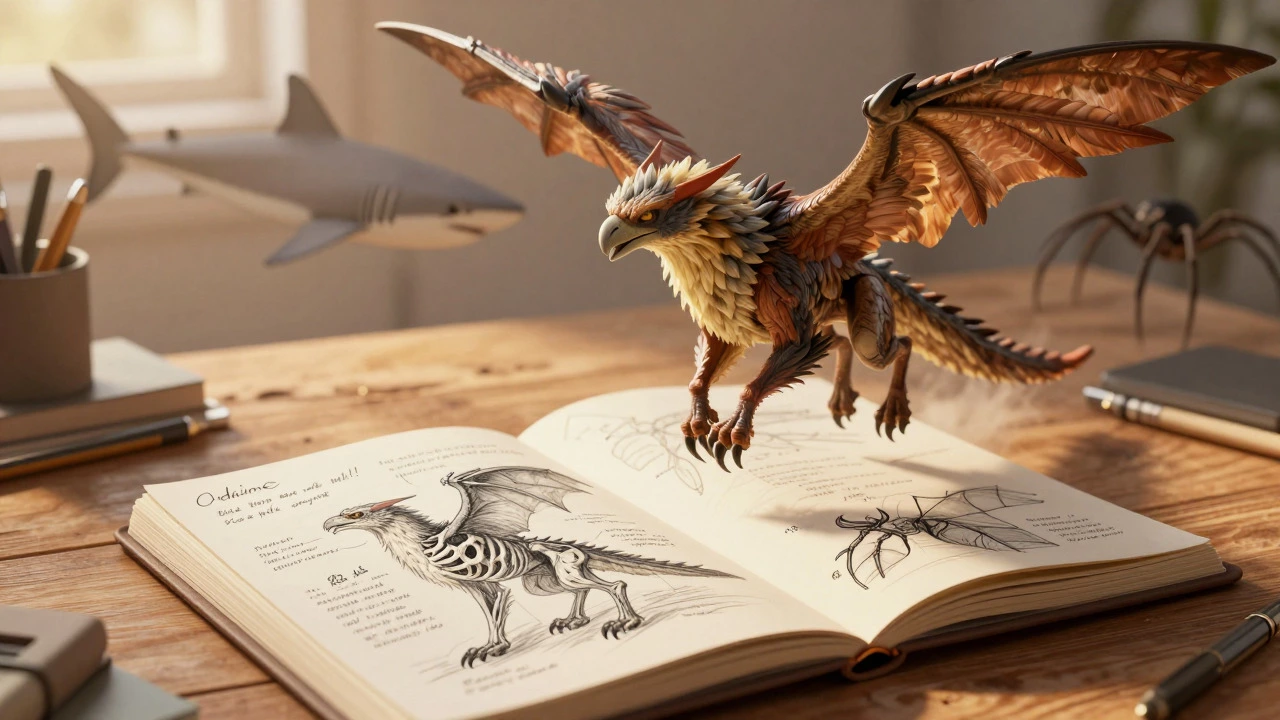
The biggest mistake writers make is ignoring physics. If your creature flies, how does it lift off? If it swims, what shape is its body? To make your creature believable, anchor it in real biology. Look at nature for inspiration. Sharks have streamlined bodies for speed; eagles have hollow bones for flight. Apply these principles to your fantasy design.
| Movement Type | Anatomical Requirement | Real-World Example |
|---|---|---|
| Flying | Large wing surface area, lightweight skeleton, strong chest muscles | Bat, Albatross |
| Swimming | Streamlined body, fins or flippers, blubber for insulation | Dolphin, Octopus |
| Climbing | Gripping claws, flexible joints, low center of gravity | Raccoon, Spider Monkey |
| Underground | Powerful digging limbs, reduced eyesight, sensitive whiskers | Mole, Naked Mole Rat |
Consider the size too. A creature the size of an elephant cannot hide in a forest easily. It would need to eat hundreds of pounds of food daily. If your creature is small, it might be preyed upon by larger beasts. Think about its food chain position. Is it an apex predator, or does it scavenge? These biological facts add depth that readers appreciate without even realizing it.
Choose a Habitat and Environmental Adaptations
A creature is shaped by where it lives. A desert-dwelling beast will look very different from one living in a frozen tundra. This concept is called ecological adaptation. Let's say you want a creature that lives in high mountains. It likely has thick fur, large lungs to handle thin air, and wide hooves or paws to grip ice. If it lives in a swamp, maybe it has webbed feet, gills, or camouflage skin.
Think about the resources available in its home. If there are no trees, it probably doesn't have climbing claws. If the water is acidic, its skin must be resistant. By tying the creature's physical traits to its environment, you create a cohesive world. Readers can infer the climate and geography just by looking at the monster.
Develop Sensory Abilities and Weaknesses
Humans rely heavily on sight. Many animals do not. Wolves use smell to track prey over miles. Bats use echolocation to navigate in total darkness. Giving your creature unique sensory abilities makes encounters more dynamic. Imagine a monster that "sees" through heat signatures. It could hunt in pitch-black caves. Or perhaps it hears vibrations through the ground, making stealth nearly impossible for intruders.
Equally important are weaknesses. A creature with no flaws is boring and unkillable. Every mythological being has a vulnerability. Achilles had his heel. Vampires fear sunlight. Maybe your creature is deaf to high-pitched sounds. Perhaps it goes dormant during the full moon. These limitations create tension in stories. They give heroes a chance to survive and make battles strategic rather than just a matter of brute force.
Create a Cultural and Historical Context
Myths don't exist in a vacuum. They are part of a culture. How do the people in your world view this creature? Are they worshipped as gods? Feared as demons? Hunted for their pelts? The relationship between humans and monsters defines the lore. For example, in Norse mythology, wolves are often associated with Ragnarok and destruction. In Chinese culture, dragons are symbols of power and good luck.
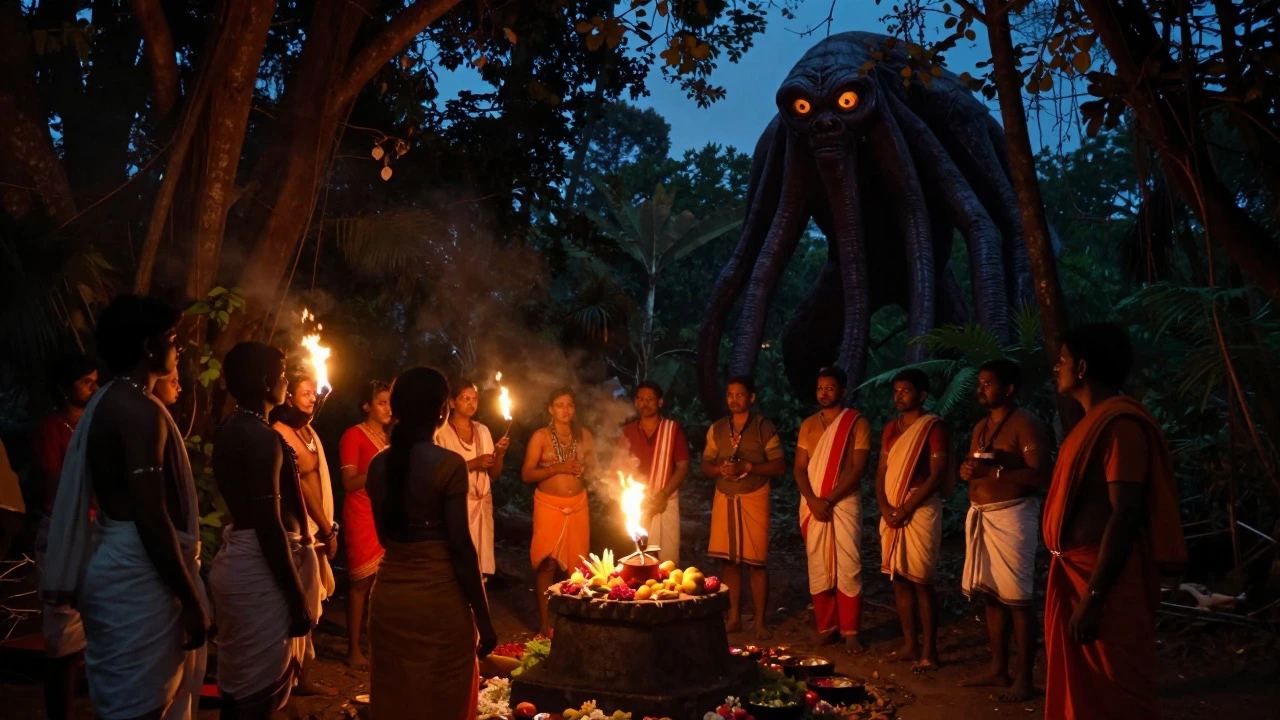
Invent rituals, taboos, and legends surrounding your creature. Do villagers leave offerings at the edge of the forest to keep it away? Are there shamans who claim to communicate with it? This cultural layer turns a biological animal into a mythological entity. It gives the creature weight and history. When characters mention the beast, they aren't just describing a threat; they are referencing a shared belief system.
Design Distinctive Visual Markers
Once you have the biology, habitat, and lore, focus on the visual identity. What makes your creature instantly recognizable? Avoid generic traits like "sharp teeth" or "red eyes." Instead, choose unique features. Maybe it has bioluminescent patterns on its back that flash when it's angry. Perhaps it has multiple necks, each with a different type of mouth. Or maybe it sheds its skin once a year, leaving behind a hollow shell that locals collect as trophies.
Use contrast to make it memorable. A creature with soft, fluffy fur but razor-sharp bone spikes creates a disturbing image. A beautiful, bird-like creature that emits a foul odor subverts expectations. These contrasts stick in the reader's mind. Sketch your creature or write a detailed description focusing on texture, color, and movement. How does it move? Is it graceful like a panther, or jerky like a spider?
Test Your Creature in a Scenario
The best way to check if your creature works is to put it in a scene. Write a short paragraph where a character encounters it. Does the encounter feel natural? Do the creature's abilities and weaknesses play out logically? If you find yourself adding ad-hoc powers to save the plot, go back and adjust the design. A well-designed creature should drive the story, not just react to it. Its presence should change the environment and the characters' decisions.
Ask yourself: Would I remember this creature after reading about it? If the answer is yes, you've succeeded. You haven't just made a monster; you've created a piece of mythology that can live in your world for years to come.
How do I make my mythological creature scary?
Fear comes from the unknown and violation of norms. Use uncanny valley effects-make it almost human but wrong. Add unpredictable behaviors, like sudden silence before an attack. Focus on sensory details: the sound of wet footsteps, the smell of rot, or the feeling of being watched. Limit visibility; shadows are scarier than full descriptions.
Can I mix multiple animals to create a creature?
Yes, but ensure the combination makes biological sense. A centaur (human + horse) works because both are quadrupeds/bipedal hybrids with similar skeletal structures. Mixing a fish and a bird requires explaining how it breathes and moves in both environments. Always justify the hybridization with evolutionary or magical logic.
What are common mistakes in creature design?
Ignoring physics (flying elephants without explanation), giving them no weaknesses (making them invincible), and lacking cultural context (monsters appearing out of nowhere). Also, avoid overcomplicating designs; too many limbs or eyes can confuse readers rather than impress them.
How do I name my mythological creature?
Names should reflect the culture that created them. Use phonetics that match the language of your world. Harsh consonants (K, G, Z) often sound aggressive, while vowels and soft consonants (L, S, M) sound mystical. Consider meaning: does the name translate to "shadow walker" or "bone breaker" in your fictional language?
Should my creature have magic powers?
Magic should have costs and limits. If your creature breathes fire, explain how it generates fuel and heat. Does it need to eat sulfur? Does it overheat? Magic enhances realism if grounded in rules. Arbitrary powers weaken the creature's believability. Tie magic to its biology or environment.