Did Hector of Troy Really Exist? Fact vs Myth
 Apr, 21 2026
Myth vs. History: The Trojan Fact-Checker
How to use: Click on a feature below to compare how the Iliad describes the event versus what historians and archaeologists have actually found.
Role & Identity
The Conflict
The End of Hector
The City of Troy
Role & Identity
The Crown Prince and sole defender of Troy; the "ideal man" and champion of his people.
One of several regional warlords or leaders in a series of competing city-states.
Quick Takeaways
- There is no direct archaeological record of a person named Hector.
- The city of Troy likely existed as a series of settlements at Hisarlik.
- The Trojan War was likely a series of smaller conflicts rather than one 10-year siege.
- Hector represents the "ideal man" of the Bronze Age.
The Hunt for the Real Troy
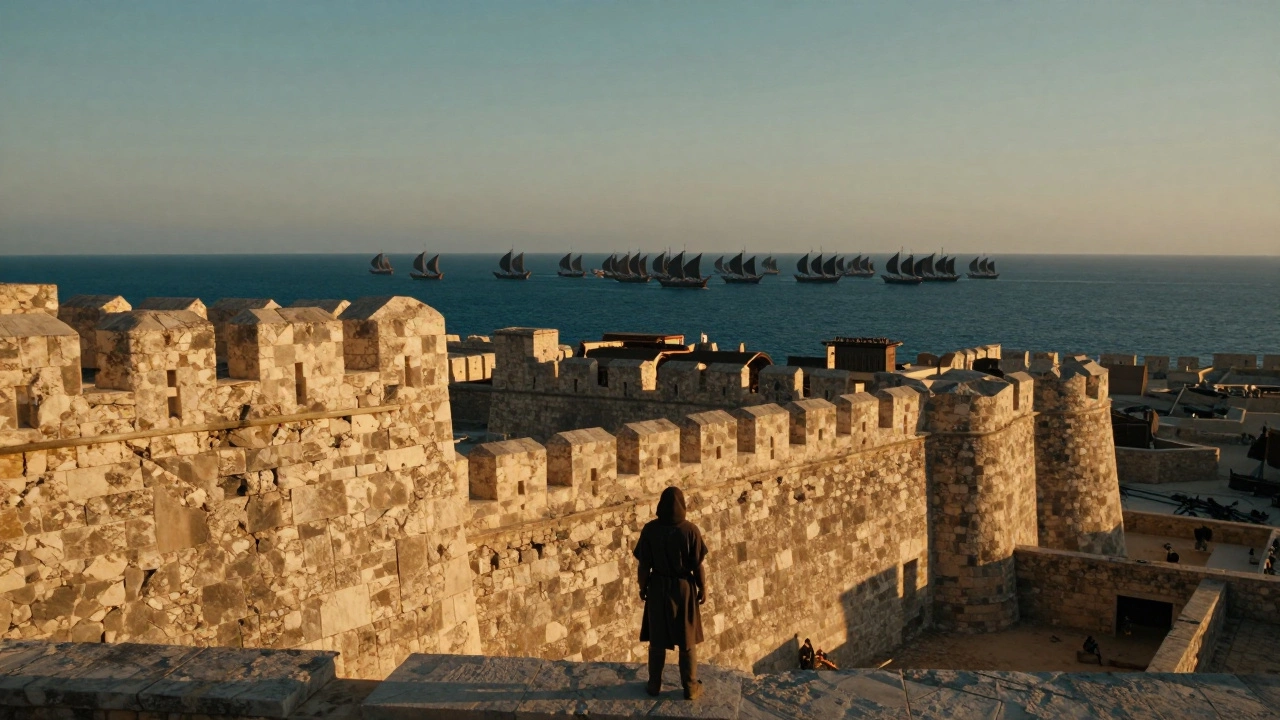
To find out if Hector existed, we first have to find out if his home did. For a long time, people thought the city of Troy was just a fairy tale. That changed in the 1870s when Heinrich Schliemann started digging at a hill in Turkey called Hisarlik. He claimed to have found the city of Troy, and while his digging methods were pretty brutal, he proved that the location was real.
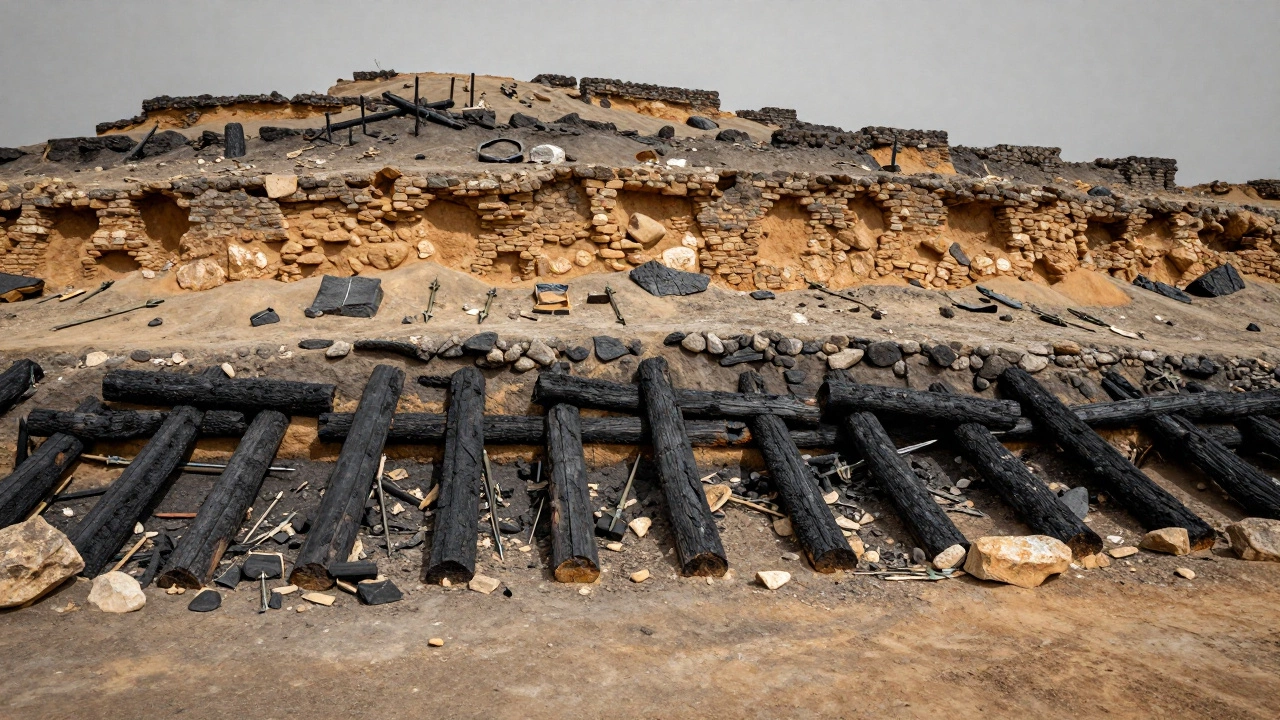
Archaeologists have since found that Hisarlik isn't just one city, but nine different cities built on top of each other. The layer often associated with the Trojan War-usually Troy VI or VIIa-shows signs of war: burned buildings, arrowheads, and evidence of a siege. So, the setting for Hector's life was definitely real. But a city is not a person. Finding a burnt wall doesn't prove that a specific prince named Hector stood on it.
The Problem with the Iliad
Most of what we "know" about Hector comes from the Iliad. This is where it gets tricky. The Iliad is an epic poem, not a history book. It's full of gods intervening in human affairs-Apollo shooting plague arrows into the Greek camp or Aphrodite whisking Paris away in a cloud of smoke. If we throw out the magic, what's left?
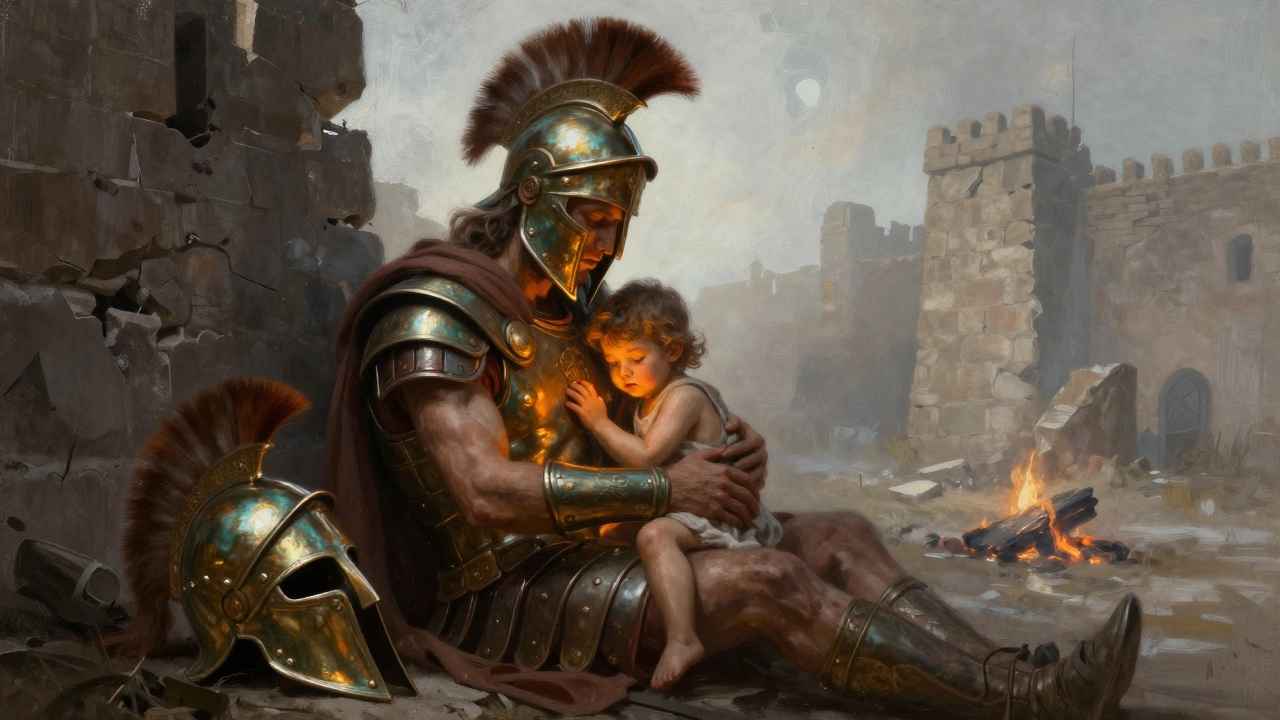
The poem describes Hector as a family man, a reluctant warrior, and the only thing keeping the Trojans from total collapse. This makes him incredibly relatable. He's not a bloodthirsty killer like Achilles; he's a man fighting to protect his wife and son. This emotional depth suggests that Hector might be a composite character-a mix of several real Trojan leaders blended into one "perfect" hero to make the story more powerful.
Comparing the Myth to the Bronze Age Reality
If Hector existed, he lived during the Mycenaean Age. This was a time of warring city-states and trade routes across the Mediterranean. The Greeks and Trojans weren't just fighting over a kidnapped queen; they were fighting over trade. Troy sat right at the entrance to the Hellespont, meaning whoever controlled the city could tax every ship going from the Aegean to the Black Sea.
| Feature | In the Iliad (Myth) | In History (Likely) |
|---|---|---|
| Role | Crown Prince and sole defender | One of several regional warlords |
| Conflict | 10-year siege over Helen | Series of raids and trade wars |
| Death | Killed in a duel by Achilles | Fell in a generic skirmish or raid |
| Legacy | Divine tragedy | Oral tradition of a lost city |
The Oral Tradition Trap
You might wonder why we can't just trust the stories. In the Bronze Age, people didn't write history; they sang it. Stories were passed down by poets for centuries before being written down. During that time, a story grows. A brave captain becomes a prince; a successful raid becomes a legendary war; a strong warrior becomes a demi-god.
Historians call this the "kernel of truth" theory. The core of the story-that a powerful city in Asia Minor was destroyed by Greeks-is likely true. However, the specific names and dialogues are probably inventions. Hector is the face of that truth. He represents the tragedy of the loser in a war. Whether he was one man or ten, the Hector of Troy figure serves as the emotional anchor for the entire narrative of the fall of the city.
Why We Need Hector to Be Real
Why do we keep digging? Why do we care if a prince from 3,000 years ago actually existed? Because Hector is the most human character in Greek mythology. Unlike the gods, who are fickle and cruel, or Achilles, who is driven by pride, Hector feels fear. He knows he might lose. He loves his son, Astyanax, and he worries about his city's future.
By making Hector a real person in our minds, we connect the distant, dusty ruins of Hisarlik to the actual human experience. If he existed, it means that the grief, the duty, and the courage described in the poems were real things felt by a real man. That's more compelling than just reading a list of pottery shards and burnt timber.
Connecting the Dots: From Myth to Archaeology
When we look at the Hittite records from the same era, we find mentions of a city called "Wilusa." Most scholars agree that Wilusa is the Hittite name for Troy. These tablets describe political struggles and alliances between the Hittites and the people of Wilusa. They don't mention a prince named Hector, but they do confirm that the city was a major player in international politics.
This tells us that the "Trojan War" wasn't just one big battle, but a long-term geopolitical struggle. In such an environment, there would have been many "Hectors"-strong leaders defending their walls against raiding parties from across the sea. The legend simply picked the best version of these men and gave him a name that would live forever.
Is there any physical proof of Hector?
No. There are no inscriptions, tombs, or documents from the Bronze Age that mention a person named Hector. We have evidence of the city and the wars, but not the specific individuals.
Did the Trojan War actually happen?
Most historians believe there wasn't one single 10-year war, but rather a series of conflicts over trade and territory between the Mycenaean Greeks and the city of Troy (Wilusa) around 1200 BCE.
Who was the real Achilles?
Like Hector, Achilles is likely a mythological construction. He represents the extreme of warrior culture-strength and rage-and probably doesn't have a single historical counterpart.
Why is the city called Troy?
The name comes from the Greek "Troia." In archaeological terms, the site is known as Hisarlik, located in modern-day Turkey.
Can we trust Homer's descriptions?
For emotional and cultural insight, yes. For historical dates, specific names, and military tactics, no. Homer was a poet, not a historian.
What to explore next
If you're fascinated by the gap between myth and history, you might want to look into the Bronze Age Collapse. It's a wild period where almost every major civilization in the Mediterranean suddenly fell apart. Understanding that chaos makes it much easier to see how a city like Troy could have been destroyed, and how those stories turned into the legends we read today. You could also dive into the Hittite Empire to see how the people of the ancient Near East actually viewed the "Trojans."